
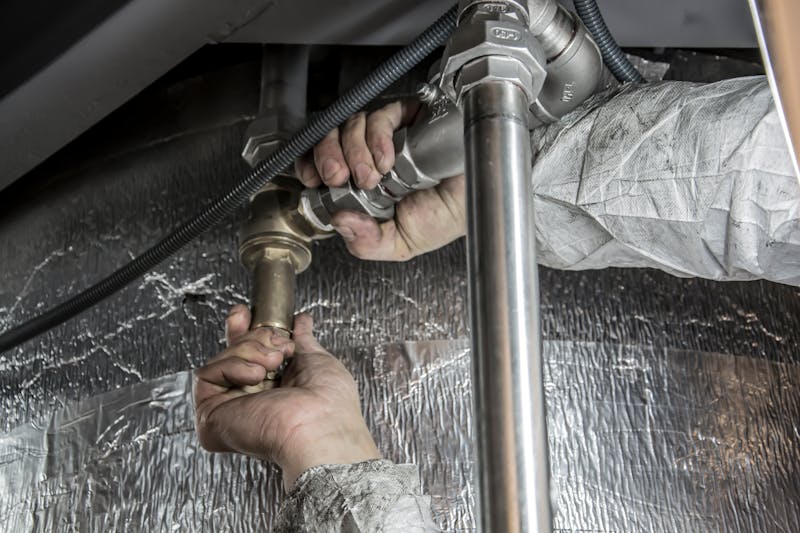
Plumbing emergencies: what to do and what to avoid
Water leaks: act within the first few minutes
When faced with a visible water leak, the first thing to do is shut off the stopcock in the flat or, if necessary, the building's main valve. The sooner the supply is cut off, the less damage there will be to floors, ceilings and partition walls. Use towels or buckets to collect water and prevent it from seeping into the flats below, and notify the building manager immediately.
Quick Servi offers an emergency plumbing service with rapid response for communities and private clients throughout the Community of Madrid.
Blockages: how to respond depending on severity
A minor blockage in a kitchen or bathroom sink can be cleared with a plunger or specific chemical products. However, if the blockage affects the main waste stack or appears at multiple points simultaneously, it is a sign of a problem in the main drainage column that requires professional intervention using pressure equipment or a camera inspection system.
Avoid pouring cooking oil, food waste or wet wipes down the drain — these are the main causes of recurring blockages in residential communities.
Water heater and boiler breakdowns
If your water heater or boiler stops working, first check the pilot light, thermostat and gas supply. Never attempt to repair a gas boiler without being a qualified technician: gas leaks are extremely dangerous. Ventilate the room, close the gas valve and call a certified professional.
Prevention: the best defence against emergencies
Most plumbing emergencies are preventable with regular inspections. Checking the condition of seals, flexible bathroom hoses and siphons at least once a year can prevent unexpected failures. A maintenance contract with Quick Servi includes scheduled reviews that catch problems before they become costly breakdowns.