
Energy saving in residential communities
Energy costs in communities: where the money goes
In a typical residential community, lighting in common areas, the lift and the central heating system account for between 60 and 80% of shared electricity consumption. Identifying the least efficient equipment is the starting point for a realistic and cost-effective energy saving plan.
A basic energy audit — which the community can commission from specialist firms — provides an accurate picture of each installation's consumption and helps prioritise where to act first.
LED lighting and motion sensors
Replacing fluorescent and halogen fittings in common areas with LED technology is the measure with the highest return on investment. Energy consumption drops by 50 to 70%, and the lifespan of luminaires increases significantly. Combined with motion sensors and daylight detectors, savings can exceed 80% compared to a conventional installation.
Quick Servi installs energy-efficient lighting in communities throughout the Community of Madrid, with a no-obligation quote and flexible financing.
Lift and equipment maintenance
A well-maintained lift consumes up to 30% less energy than one with worn components. The same applies to water pumps, ventilation systems and pressure groups. Regularly servicing these items and upgrading the most outdated ones is a sound medium-term investment that also reduces breakdowns and the cost of emergency repairs.
Renewable energy installations
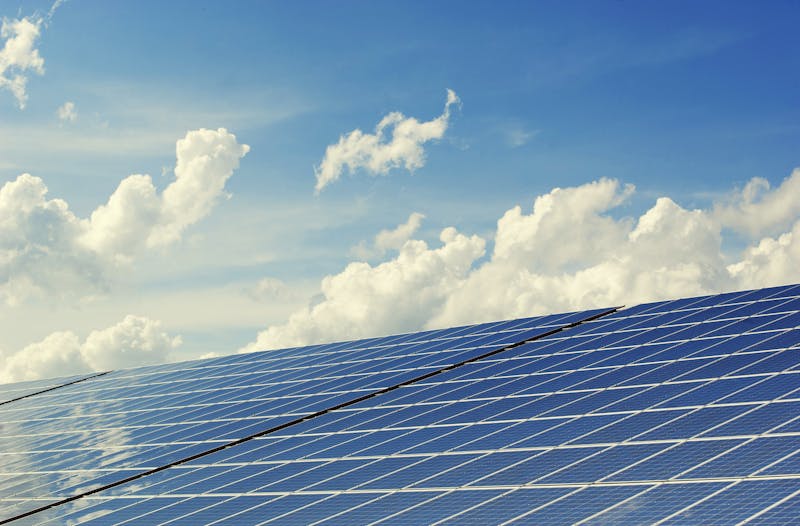
A growing number of communities are installing photovoltaic panels on rooftops for shared self-consumption. Current regulations make this straightforward, and available subsidies can cover up to 40% of the investment. If your community is considering this option, Quick Servi can advise on technical feasibility and available grants.